
Critical Minerals Under Trump: What the New US Strategy Means for Sourcing in Africa and Central Asia
By Kingdom Trade Group · (updated ) · 6 min read
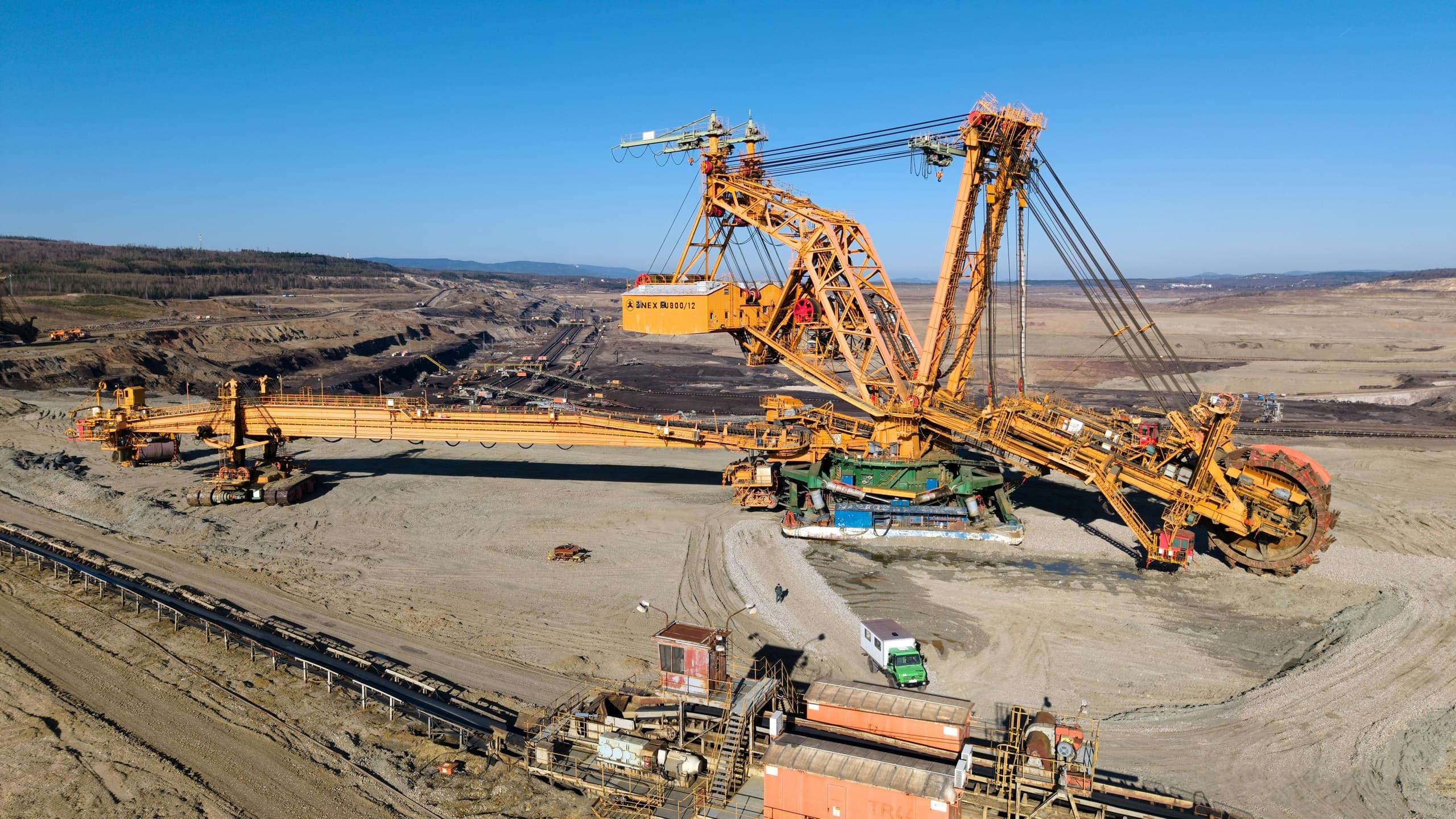
Critical minerals have moved from a niche procurement concern to the center of US industrial and national security policy. Under the current administration, that shift has accelerated into a coordinated push to secure supply outside China. For companies that build, manufacture, or trade in the physical economy, the open questions are how to diversify critical mineral supply, and where.
A national security priority, backed by executive action
Since early 2025, the White House has treated critical minerals as a strategic vulnerability to be closed quickly. A March 2025 executive order invoked the Defense Production Act to finance and accelerate domestic mineral projects and established a dedicated critical minerals fund. An April order extended the push offshore, directing agencies to speed permitting for seabed and continental-shelf resources. In parallel, a Section 232 national security investigation targeted processed critical minerals and their derivative products, signaling that tariffs are on the table for imported material and finished goods alike.
The government has also put capital directly to work. In mid-2025 the Department of Defense took a roughly $400 million stake in MP Materials, operator of the Mountain Pass mine in California, becoming the company's largest shareholder as it builds out domestic rare earth magnet capacity. In July 2026, a further executive order tightened the waiver rules for defense contractors buying critical materials from restricted foreign suppliers, pressing adversary-linked inputs out of sensitive supply chains.
The China problem that started it all
The urgency is straightforward. China accounts for roughly two-thirds of global rare earth mining and around 90 percent of refining, and about 70 percent of US rare earth imports come from China. That concentration became leverage in 2025, when Beijing answered new US tariffs with export restrictions on several rare earth elements. For buyers, the message was clear: a supply chain that runs through a single geopolitical rival is a supply chain that can be turned off.
Why Africa and Central Asia are now center stage
Domestic production and processing will take years to scale. In the meantime, Washington's strategy leans heavily on friendly and neutral producing regions, and two stand out.
In Africa, the Lobito Corridor, running from Angola's Atlantic coast through the Democratic Republic of Congo to Zambia's Copperbelt, has become the flagship of US mineral diplomacy. The US International Development Finance Corporation approved a loan of up to $553 million in 2024 to rehabilitate the Lobito port and the Angolan rail line, and the loan was signed in December 2025. That same month, the United States signed a strategic partnership with the DRC that set up a reserve of designated mineral assets and gave US companies a right of first offer on offtake from the DRC and its state-owned miners.
In Central Asia, Kazakhstan and Uzbekistan are drawing billions in Western attention as alternative sources of rare earths and battery metals. The rocks are there, and the capital is arriving. The harder part, as analysts consistently note, is the gap between a memorandum of understanding and a binding offtake agreement, and between a pilot plant and commercial-scale processing. Geography and China's own corridor investments across the region add further complexity.
The execution gap
This is where most strategies stall. Announcing an interest in a producing region is easy. Securing volume from it is not. Real supply requires commercial execution on the ground: relationships with the governments and state enterprises that control access, the credibility to sit across the table from producers and ministries, and the technical ability to negotiate and structure offtake agreements that hold up in complex jurisdictions.
MOUs and press releases do not move material. Signed, bankable offtake does.
The companies that win access over the next several years will be the ones that pair capital and intent with experienced commercial coordination in the regions where the minerals actually come out of the ground.
What it means for US companies
For manufacturers, traders, and investors, the critical minerals moment is both an opportunity and a risk. The opportunity is favorable policy, public financing, and open doors in producing regions that were harder to reach a few years ago. The risk is committing to a jurisdiction or a counterparty without the local knowledge and commercial structuring to make the deal real.
Whether the goal is an upstream investment, a long-term sourcing strategy, or a project developed from origination through offtake, the differentiator is the same: on-the-ground commercial capability in the right places.
Kingdom Trade Group works in this space, providing in-country commercial support and offtake structuring across select critical-mineral-producing regions in Africa and Central Asia. If your organization is evaluating strategic opportunities in the sector, we would welcome a conversation.